Recovery hype vs. science: What really helps after a tough workout?
What to make of ice baths, compression boots and recovery scores
Compression boots, ice baths, massage guns, recovery drinks and ever more sophisticated wearables. Anyone wanting to recover more quickly these days can spend a surprising amount of money on it. And the promises sound tempting: less muscle soreness, faster recovery, better performance.
But do they actually work?
I think we should take a closer look here. Because just because a method feels good doesn’t necessarily mean it restores our performance any faster. And even if it does, that doesn’t necessarily mean it improves our long-term training adaptation either.
It is precisely these distinctions that are surprisingly often overlooked in the discussion about recovery.
In this article, we’ll therefore look at what science knows about the most popular recovery methods, where the evidence is convincing and, above all, where marketing is doing a good job.
And most importantly: which of these do we, as ambitious cyclists, really need?
Not all recovery is the same
Before we look at the individual methods, we need to understand an important distinction. After all, when manufacturers promise that their product speeds up recovery, a fairly simple question arises straight away: what exactly is supposed to recover more quickly?
Our body, after all, is not a battery that simply needs recharging after a training session. The term ‘recovery’ encompasses various processes which, whilst interrelated, are by no means identical.
When assessing recovery methods, we must therefore distinguish between three things.
1. Feeling recovered
After a massage, our legs may feel looser. An ice bath can reduce the subjective sensation of muscle soreness. And after a good night’s sleep, we often feel significantly more capable.
This is, first and foremost, a positive thing. After all, when we feel better, we often approach the next training session with greater motivation.
However, our sense of recovery is not reliable evidence that all physical recovery processes have already been completed.
Less muscle soreness does not automatically mean that our muscles have regained their original performance capacity. And a good recovery score is by no means a guarantee that we can set a new personal best today.
Subjective recovery is important. But it is not the same as complete physical regeneration.
2. Restoring performance
Here, things become more specific.
After intense exercise, various factors can temporarily limit our performance. These include, for example, depleted glycogen stores, muscular fatigue, fluid loss or exercise-induced changes in neuromuscular function. The extent to which these factors come into play depends on the type, duration and intensity of the exertion.
After a long, intense cycle race, replenishing carbohydrate stores can be crucial. After an unfamiliar strength-based exertion, on the other hand, muscle damage and the restoration of neuromuscular performance may play a greater role.
A sensible recovery strategy should therefore not only improve our well-being but also, as far as possible, help ensure that we can regain the necessary performance capacity in good time. This is particularly relevant when there is little time between two strenuous sessions – for example, in stage races, multi-day training camps or closely spaced competitions.
And this is precisely where measures can be beneficial that offer little additional benefit under other circumstances.
3. Enabling long-term training adaptation
This point is the most interesting to me.
After all, we don’t just train to recover from a workout as quickly as possible. We train because we want to improve our performance in the long term. For this to happen, our bodies must respond to training stimuli and adapt. These adaptations include, for example, changes in mitochondrial function, improved capillarisation or greater muscular performance. And now comes the crucial point: Not every measure that improves our short-term recovery automatically promotes our long-term training adaptation.
A well-known example is regular cold therapy immediately after strength training. Research shows that, under certain conditions, this can dampen adaptations such as muscle hypertrophy.
This does not mean that ice baths are inherently bad. It does, however, mean that we must distinguish between short-term recovery and long-term adaptation.
Furthermore, the evidence base for endurance training cannot simply be equated with that for strength training. Different training stimuli, adaptation mechanisms and application protocols can lead to different outcomes.
The crucial question is therefore not simply: Does this method aid recovery?
But rather:
What exactly does it improve, how well is this scientifically proven, and does this effect even align with my training goal?
Someone who has another important race tomorrow may have different priorities to someone who is currently completing a long-term training block. And it is precisely by this yardstick that we should evaluate the various recovery methods.
The basics: what really makes the difference
Before we look at ice baths, compression boots and other recovery tools, we should discuss three things that are far less spectacular: sleep, carbohydrates and protein.
At first glance, this sounds rather uninspiring. After all, a sensible meal and sufficient sleep are unlikely to attract nearly as much attention as a futuristic recovery machine. But this is precisely where a problem lies with modern recovery culture. We focus intensely on measures whose additional benefits are, in some cases, only inadequately proven, whilst we occasionally neglect the fundamental prerequisites for successful recovery. We should actually be reversing this order.
Sleep: Far more important than the perfect recovery score
Sleep is not a passive state in which our body simply does nothing. Whilst we sleep, numerous processes take place that are important for physical and mental recovery. These include, amongst other things, the regulation of metabolism, the support of immune functions, and processes relevant to the processing of and adaptation to physical stress.
What is particularly interesting is that sleep not only influences our recovery, but also our performance itself.
A systematic review from 2023 examined 25 intervention studies on various sleep interventions in athletes. In particular, increasing sleep duration and incorporating additional daytime naps showed positive results in terms of physical or cognitive performance.
However, we must also make a distinction here: the studies varied in their methodology, and not all results can be directly applied to ambitious endurance athletes.
Nevertheless, the practical implication is quite clear: anyone who regularly gets too little sleep should address this issue first, before seeking out ever-new recovery technologies.
I also find the way sleep data is handled interesting. Wearables now provide detailed sleep analyses, including sleep stages, sleep scores and, in some cases, recommendations that appear surprisingly precise. The problem is that the accuracy of these measurements is limited. Particularly when distinguishing between individual sleep stages, there can be significant discrepancies compared with a polysomnographic examination.
A low sleep score therefore does not automatically mean that the night was a bad one. Conversely, a high score does not guarantee complete recovery.
I would therefore view sleep data more as a guide to longer-term patterns. Am I getting enough sleep on a regular basis? Are my sleeping patterns changing? Are there links between training load, stress and sleep quality?
These are sensible questions. Whether I had exactly 83 or 91 minutes of deep sleep, on the other hand, is likely to be far less relevant to my next training decision than some apps suggest.
My view: Anyone wishing to improve their recovery should prioritise sleep duration, regularity and subjective sleep quality. Not the pursuit of the perfect score.
Carbohydrates: No energy, no rapid recovery
After intense or prolonged endurance sessions, our muscle glycogen stores can be significantly depleted. Glycogen is the stored form of carbohydrates and an important source of energy, particularly during high-intensity exercise.
Anyone who has ever tried to tackle a long climb at high intensity after several hours on the bike knows just how unpleasant a lack of energy can feel. For recovery, it is crucial that these stores are replenished. However, how quickly this needs to happen depends heavily on when the next demanding session is due.
If there are only a few hours between two intense sessions, a targeted and early intake of carbohydrates can be beneficial. Sports nutrition guidelines suggest, for particularly rapid glycogen replenishment, amounts of around 1.0 to 1.2 grams of carbohydrates per kilogram of body weight per hour during the first few hours following an exhausting session.
For an athlete weighing 80 kilograms, that would be 80 to 96 grams per hour. This is a considerable amount and by no means a general recommendation for every training session. Anyone who isn’t due to train intensively again until the day after next does not need to consume large amounts of carbohydrates immediately after showering. The key factor here is that the total energy and carbohydrate intake over the recovery period matches training requirements.
And it is precisely this distinction that I consider important.
Not every training stimulus requires aggressive recovery fuelling. But anyone completing high training volumes or planning several intense sessions in quick succession should not leave their carbohydrate intake to chance.
My view: The question is not whether carbohydrates are generally beneficial after training, but rather how much we need and how quickly our stores need to be replenished for the next session.
Protein: Important for adaptation, but not a miracle cure
Protein plays a central role in the repair and remodelling of the body’s own structures. Endurance athletes therefore also benefit from an adequate protein intake. After all, it is not only strength training that leads to adaptation processes in the muscles.
The International Society of Sports Nutrition recommends a daily protein intake of around 1.4 to 2.0 grams per kilogram of body weight as a suitable guideline for most people who exercise. For individual portions, 20 to 40 grams of high-quality protein is often cited, although individual requirements depend, amongst other things, on body weight, age and training load. This is well-supported by scientific evidence.
I find the idea, however, that we need a special recovery shake within a few minutes of every training session less convincing. Whilst protein intake around the time of training can be beneficial, the processes of muscle protein synthesis stimulated by physical exertion remain active for significantly longer than the frequently advertised short window immediately after training. It is therefore crucial, first and foremost, that we consume sufficient protein throughout the day. A shake can be a practical way of doing this. However, it is not automatically better than a normal protein-rich meal.
Nor do additional amino acids or special recovery blends necessarily offer any significant added value if daily protein intake is already sufficient.
My assessment: Protein is an important component of recovery. But we should distinguish between actual physiological needs and the marketing of ever-new specialised products.
And what about fluids and electrolytes?
There is one point we should not forget in this context: fluid. Significant fluid and sodium losses can occur, particularly during long sessions, in high temperatures or when sweating heavily. Replenishing these losses is important to restore normal fluid balance and improve conditions for the next session.
However, this does not mean that every athlete automatically needs an electrolyte supplement after every session. How much fluid and sodium is appropriate depends on the actual losses, diet and the time remaining until the next session. Here, too, individual needs are more important than a one-size-fits-all recovery routine.
The inconvenient truth about recovery
If we take sufficient account of sleep, energy intake, protein and fluid, we have already covered a large part of a practically relevant recovery strategy.
This does not mean that additional recovery measures are fundamentally useless. But they must deliver a demonstrable added benefit. And this is precisely the standard we should apply to ice baths, massage guns, compression boots and other methods.
After all, the crucial question is not whether a measure feels pleasant or looks professional.
The question is whether it actually improves anything beyond the basics.
Ice baths and cold therapy: sensible recovery or an overrated trend?
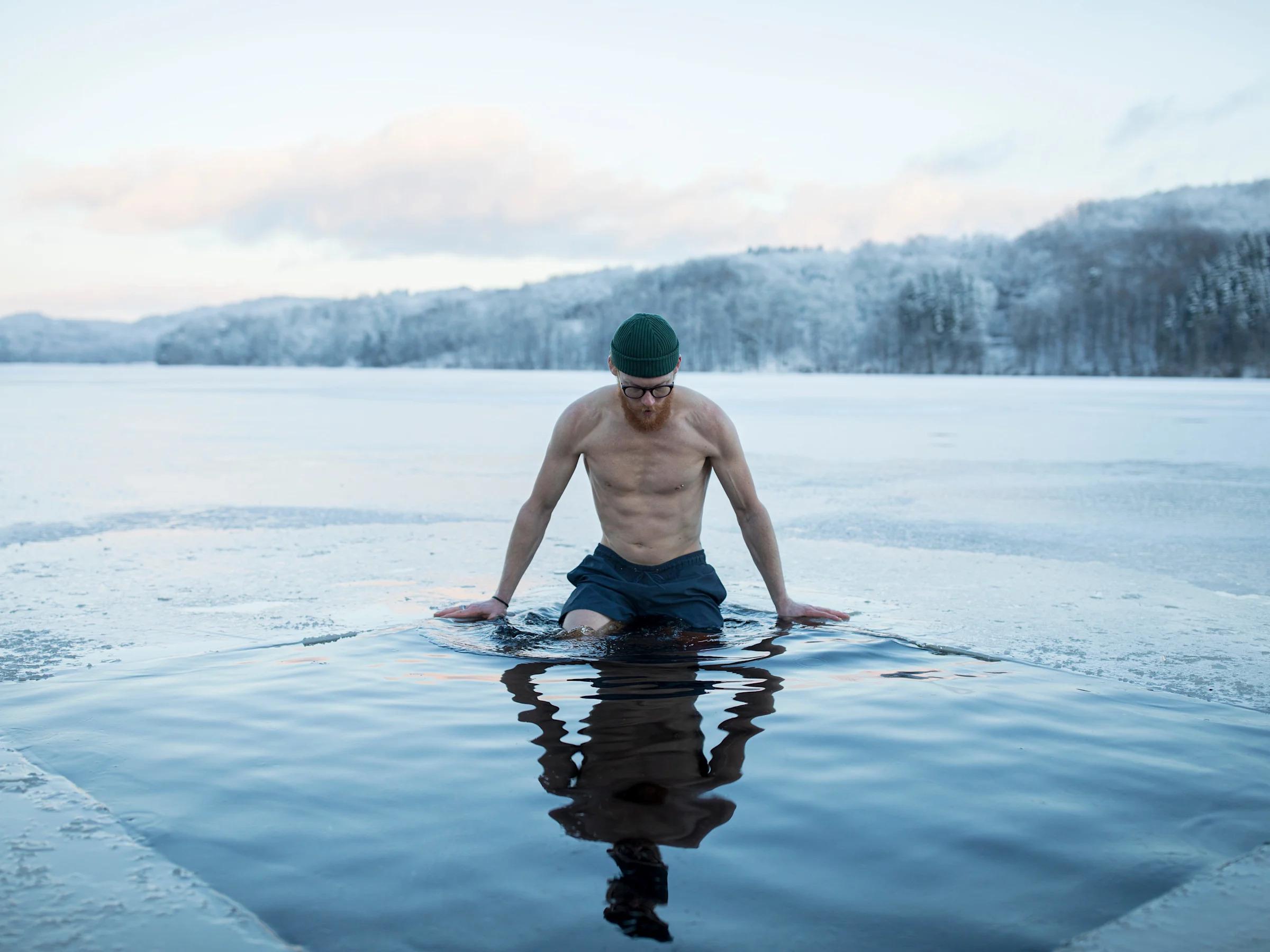
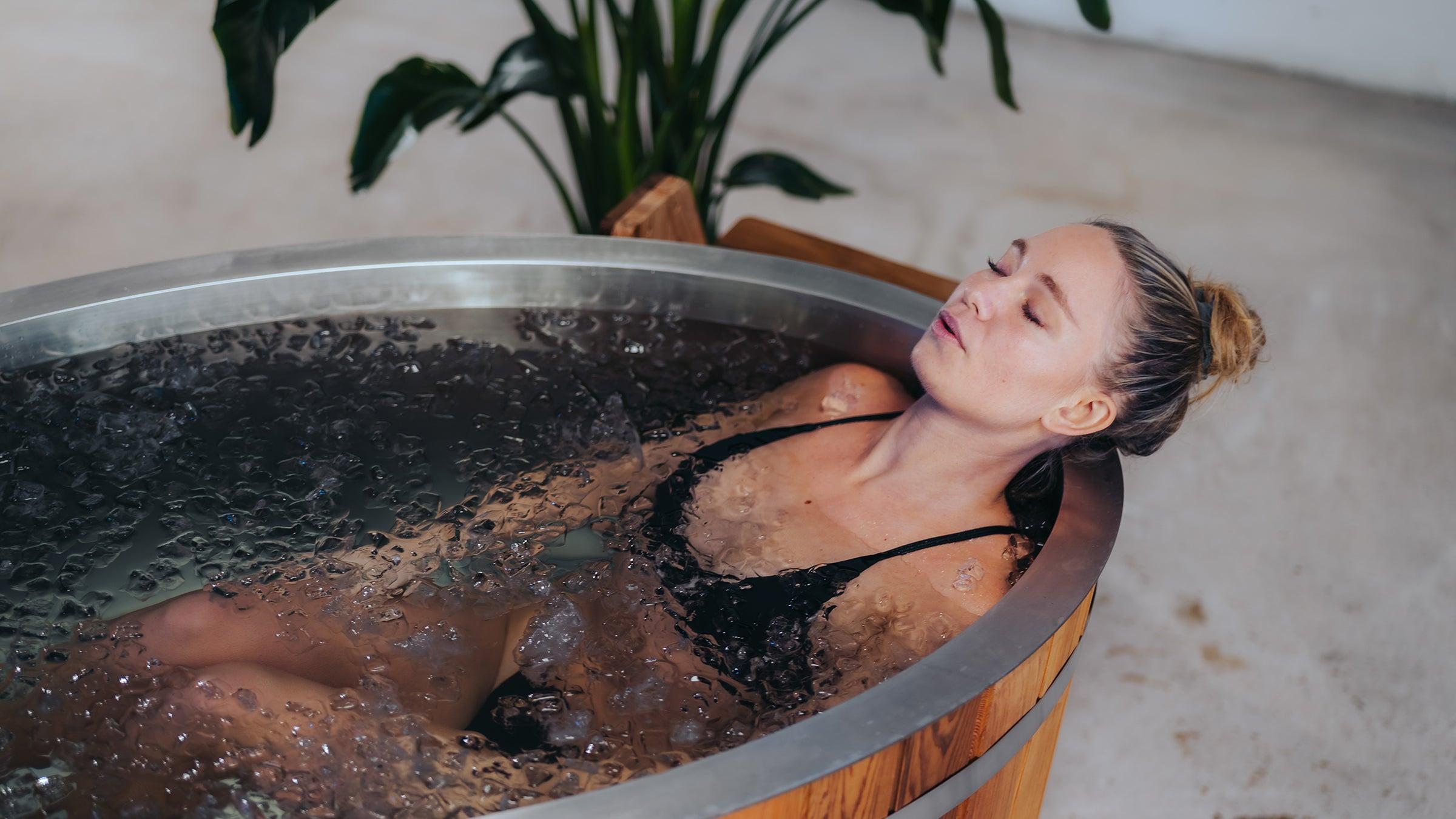
Hardly any recovery method is currently promoted as intensively as cold therapy. Ice baths have long been part of the routine for many professional athletes. On social media, the daily dip in ice-cold water is sometimes even portrayed as an indispensable part of a healthy, performance-oriented lifestyle. The argument sounds convincing at first: cold reduces inflammation, relieves muscle soreness and speeds up recovery. But is it really that simple?
Not quite. And when it comes to cold therapy in particular, it’s worth taking a closer look.
What the research actually shows
First of all: cold therapy is by no means ineffective.
Several systematic reviews and meta-analyses show that immersing oneself in cold water after intense exercise can reduce muscle soreness and improve the subjective feeling of recovery. A meta-analysis from 2023 examined 68 studies on the recovery of physical performance following cold therapy. Among other things, it revealed short-term benefits for certain endurance performance parameters, as well as positive effects on muscle soreness and individual strength and jump performance parameters during later recovery phases.
However, these effects were by no means present for every type of exercise or at every measurement point. A comprehensive review from 2026, which summarised 15 systematic reviews with meta-analyses, confirms this nuanced picture. The most pronounced positive results were found in the reduction of muscle soreness. In contrast, for objective performance parameters, the effects were more strongly dependent on the type of exercise and the timing of the measurement.
There is also an important caveat: the authors rated the methodological quality of the included reviews predominantly as low to critically low. The certainty of the evidence was also frequently low. In other words: we have good reasons to assume that ice baths can be helpful under certain conditions. But the research by no means justifies the claim that they fundamentally and reliably accelerate our recovery.
Less muscle soreness does not automatically mean better recovery
Here we encounter once again a distinction that we touched upon at the beginning of the article. If our legs hurt less after an ice bath, this is, at first glance, a subjectively positive effect. Whether we actually perform better on the pedals the next day is another matter.
This is particularly true when we compare different types of exercise. Recovery after a long road race is not the same as recovery after an intense strength training session or a session involving high levels of eccentric muscle load.
Nor should we overestimate changes in individual blood markers. For example, creatine kinase is often analysed as an indirect marker of muscular stress or damage. However, lower levels do not automatically mean that functional performance has been fully restored.
For me, this is a key point: An improved measurement is not in itself proof of a relevant performance benefit.
Can cold impair our training adaptations?
This is where it gets particularly interesting. Whilst cold can support certain recovery effects in the short term, there is evidence to suggest that regular exposure immediately after strength training may weaken long-term adaptations. A systematic review with meta-analysis from 2024 investigated the influence of cold-water immersion after strength training on muscle hypertrophy.
The result: regular exposure could impair muscle growth to a certain extent.
However, the authors also emphasised that the certainty of this conclusion is limited by the quality and number of available studies. Nevertheless, an interesting implication arises from this. Anyone specifically aiming to build muscle mass should perhaps refrain from getting into an ice bath immediately after every strength training session.
But what does this mean for us cyclists? We need to be cautious here. The adaptation processes involved in endurance training differ, in some respects, significantly from those of strength training. We cannot therefore simply assume that the observed effects on muscle growth also apply to mitochondrial adaptations or the development of aerobic performance.
A 2021 meta-analysis found that regular cold-water immersion had negative effects on certain strength training adaptations, but no clear disadvantages for the aerobic performance parameters examined. This does not mean that exposure to cold after endurance training has been proven to be unproblematic or particularly beneficial. The evidence is too limited for that. It simply means that we must assess different training goals differently.
Anyone wishing to build muscle, maximise strength or improve endurance performance does not automatically pursue the same adaptation goals.
When I consider an ice bath to be beneficial
Let’s take two examples.
Situation 1: A multi-day stage race
You have just finished an intense stage. The next exertion is already due tomorrow. The main priority now is to regain performance levels as quickly as possible. In this situation, cold therapy can be beneficial, particularly if the exertion was associated with heat, severe muscle soreness or a high level of subjective fatigue. The potential short-term benefit is the main focus here.
Situation 2: A normal training block
You’re completing several structured training sessions each week. The next tough session isn’t due for another two days. Your aim is to improve your performance over weeks and months. In this case, I see far less reason to routinely get into an ice bath after every session. There is as yet no convincing evidence that this habit fundamentally improves long-term endurance development.
If you also do targeted strength training, the available evidence even suggests that regular cold therapy immediately following a session should be viewed with scepticism.
How cold and for how long?
Many studies use water temperatures of around 10 to 15 degrees Celsius and exposure times of about 10 to 15 minutes. Colder protocols are also used. However, this does not mean that these values represent a scientifically and unambiguously determined optimal dosage.
The studies differ, amongst other things, in terms of the type of exercise, immersion depth, duration, temperature and the endpoints examined. I would therefore not derive any universal recovery guidelines from the findings to date. Above all, there is no convincing reason to assume that water that is as cold as possible automatically delivers better results.
Furthermore, extreme cold is not without risk. Sudden immersion, in particular, can trigger severe circulatory and respiratory reactions. People with heart or pre-existing conditions should not undertake such treatments without first consulting a doctor.
My conclusion on ice baths
I do not consider ice baths to be either a miracle cure or fundamentally nonsensical.
Research suggests that they can reduce muscle soreness and, in certain situations, support short-term recovery. However, I see no convincing scientific basis for routine use after every training session. I would be particularly critical of using them immediately after strength training, especially if muscle building or strength development are key training objectives.
For ambitious cyclists, this leads to a fairly simple recommendation:
Use cold therapy selectively when a rapid recovery of performance is particularly important. But don’t confuse a recovery routine with a proven training benefit.
An ice bath can be a tool. It doesn’t have to become a ritual.
Compression boots, massage guns and foam rolling: what do these popular recovery tools actually do?
Anyone interested in recovery will find it hard to ignore these three methods. Compression boots are now part of the kit of many professional teams, massage guns can be found in countless sports bags, and foam rollers have long been an integral part of many training routines.
What they have in common: All three promise to restore tense or fatigued muscles to a better condition.
The differences lie in the price, the method of use and, above all, what has actually been scientifically proven.
Compression boots: lots of technology, modest effects?
The principle sounds plausible.
Pneumatic compression systems encircle the legs and generate alternating pressure via several air chambers. Among other things, this is intended to support venous return and fluid transport. The devices certainly give a professional impression. You put your legs up, start a programme and leave the work to the technology.
But does this actually lead to faster recovery?
A systematic review with meta-analysis from 2024 examined 17 studies involving a total of 319 participants. The results were sobering, at least if one expects the devices to deliver a significant performance benefit.
In terms of restoring muscle function, only negligible to small effects were observed. The picture was somewhat more favourable for subjective symptoms such as muscle pain and muscle soreness. Here, the researchers found negligible to moderate benefits, depending on the time of measurement.
Another meta-analysis from 2025 considered 27 studies involving 554 participants. It, too, found evidence of a reduction in pain and muscle soreness. For the other recovery parameters examined, however, there was no consistent, statistically significant benefit.
That is an important distinction.
If my legs feel better after 30 minutes in compression boots, that can certainly be a pleasant effect. But it does not follow that I will be able to perform at a higher level the next day. In any case, the current evidence does not provide a convincing basis for the claim that pneumatic compression reliably accelerates functional recovery to a relevant extent.
Furthermore, many studies use relatively small sample sizes. Exercise protocols, pressure settings and application times sometimes vary considerably.
My assessment: Compression boots can improve the subjective feeling of recovery and reduce muscle discomfort. Anyone who already owns them and enjoys using them certainly has good reason to continue doing so. For ambitious cyclists, however, I see no convincing scientific reason to spend several hundred euros solely in the hope of a measurably faster recovery in performance.
Massage guns: Pleasant, practical – but no miracle cure
Massage guns take a different approach. They transmit rapid mechanical pulses to the treated tissue. Depending on the device, the intensity, frequency and attachment can be adjusted. Among other things, their use is said to reduce muscle stiffness, improve mobility and support recovery after physical exertion.
And indeed, there is evidence of such effects.
A systematic review from 2023 examined eleven studies on the effects of massage guns. The authors found evidence that the devices can improve the mobility of certain muscle groups in the short term and reduce the sensation of stiffness.
However, the results were inconsistent when it came to strength, balance, acceleration and explosive movements. In some cases, there were no improvements at all; in a few studies, there was even a decline in performance.
The evidence regarding actual recovery is also limited.
A more recent systematic review with a meta-analysis from 2026 examined twelve studies involving a total of 393 participants. The results suggested possible benefits in the recovery of certain jumping performance parameters. However, no convincing effects were found for maximum voluntary muscle strength or the reduction of muscle soreness.
Here, too, the evidence is heterogeneous, and the strength of the evidence is insufficient to derive universally applicable recommendations.
What does this mean for us?
If, after a long session, I feel that my thighs are uncomfortably stiff, a massage gun can certainly be helpful. Perhaps it improves my mobility in the short term. Perhaps I simply find the treatment pleasant. Both are valid reasons.
But I wouldn’t conclude from this that my muscles repair themselves any faster as a result, or that I’ll automatically be able to pedal with more watts the next day. I’m particularly sceptical about the idea that you can simply massage metabolic by-products or supposed toxins out of the muscles using a massage gun. Such explanations sound vivid, but they do not provide a robust description of the physiological processes.
My assessment: Massage guns are primarily tools for short-term improvements in mobility and well-being. Anyone who finds them pleasant can use them. I wouldn’t currently classify them as a scientifically proven method for accelerating performance recovery.
Foam rolling: the affordable alternative with interesting evidence
With foam rolling, we use our own body weight to apply pressure to specific muscle groups. The method is simple, comparatively inexpensive and requires hardly any additional equipment.
But does that make it any less effective?
Not necessarily. A meta-analysis from 2019 examined the effects of foam rolling before and after physical exertion. Among other things, the authors found small benefits in terms of restoring sprint performance and reducing muscle soreness. For other performance parameters, the results were less clear-cut.
Another meta-analysis from 2024 specifically addressed the question of whether foam rolling after physical exertion can reduce muscle soreness. This provided evidence of a reduction in discomfort, particularly in measurements taken 24 hours or more after the exertion. However, we should not over-interpret these results either.
The studies differ in terms of the type of exercise, application and measurement methodology. Furthermore, less muscle soreness does not necessarily mean that muscle function has been fully restored.
Nevertheless, I find foam rolling interesting. Not because it revolutionises recovery, but because the method is relatively straightforward and can offer tangible benefits for specific goals. Anyone who feels stiff after a workout or wants to improve their mobility in the short term may well find it useful. However, there is no scientifically convincing basis for the claim that foam rolling improves long-term training adaptation.
I also consider the idea that we are mechanically releasing adhesions in the fascia to be far too simplistic. The observed effects cannot readily be attributed to a permanent structural change in the connective tissue.
My assessment: Foam rolling is a practical way to relieve muscle discomfort and improve mobility in the short term. For this purpose, I consider it entirely worthwhile given the low cost. However, one should not expect more than that.
What I take away from these three methods
With compression boots, massage guns and foam rolling, we repeatedly encounter the same pattern. There is evidence of positive effects, particularly in terms of the subjective feeling of recovery, muscle discomfort and, to some extent, mobility.
By contrast, the evidence that these measures reliably restore our sporting performance more quickly is significantly weaker. And there is largely a lack of convincing evidence for long-term training adaptations. This does not mean that we should reject these methods outright. If a treatment is pleasant, reduces discomfort and helps us unwind after a strenuous session, it certainly has value. However, we should not confuse this value with a proven performance gain.
My personal conclusion: anyone who owns a massage gun or compression boots and enjoys using them need not banish them to the cupboard. However, based on the current state of research, those who don’t own one are probably not missing out on any decisive training advantage.
And sometimes the simplest solution really is enough: a bit of rest, a sensible meal and a good night’s sleep.
Active recovery: does a gentle cycle really help?
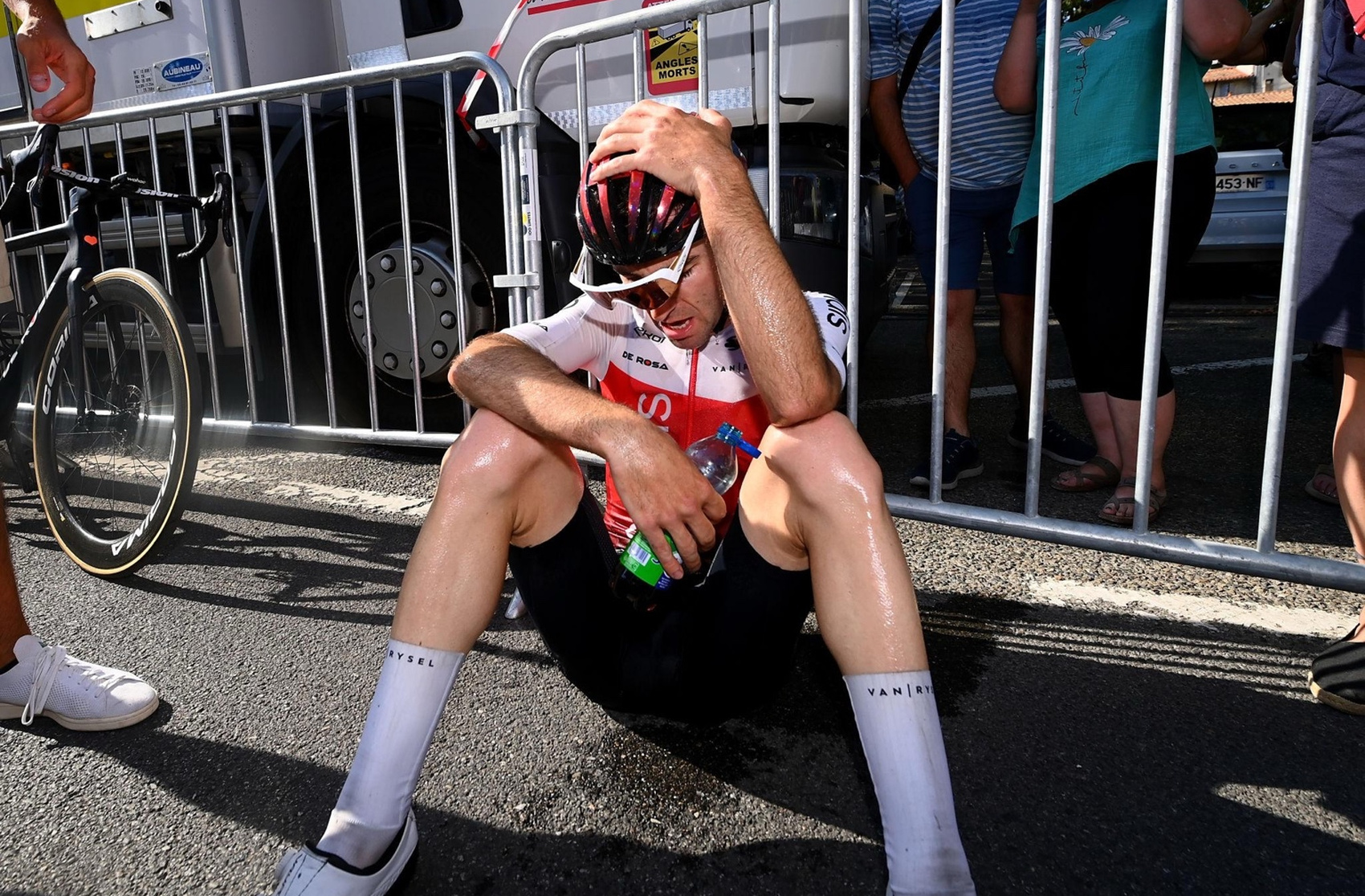
Cycling gently for a few minutes after a tough race or an intense training session. For many cyclists, this is simply part of the routine. It’s meant to loosen up the legs, stimulate blood circulation and speed up recovery.
Sounds plausible. But is it actually true?
Firstly, we need to distinguish between two things: the cool-down immediately after exercise and a separate, gentle recovery session the following day. Both are often referred to as active recovery. However, the scientific evidence isn’t the same for both.
Why we may feel better after a gentle ride
At low intensity, blood flow to the working muscles remains elevated. Furthermore, active movement can help the lactate concentration in the blood to drop more quickly after an intense workout than during passive recovery.
This effect is well documented.
However, a conclusion is often drawn from this that is not scientifically justified: if lactate clears more quickly, the muscles must also recover more quickly.
This is a misconception.
Lactate is not a harmful waste product that we need to remove from our muscles as quickly as possible. It is an important component of energy metabolism and can itself be used as an energy source . The fact that lactate concentration falls more rapidly does not therefore automatically mean that muscle damage is repaired more quickly or that our performance capacity is fully restored sooner.
A 2018 review by Van Hooren and Peake examined the scientific basis for cool-downs following physical exertion. The authors found little convincing evidence that an active cool-down reliably prevents muscle soreness or significantly improves long-term recovery.
This does not mean that a cool-down is useless. Particularly after intense exercise, it can be beneficial to bring the activity to a controlled close. However, we should not attribute effects to it that are not sufficiently substantiated by science.
Recovery Ride: Training or Recovery?
Things get even more interesting when we look at the classic recovery ride.
You completed a tough race yesterday. Today, the plan is 30 to 60 minutes of easy cycling. The idea behind this is that exercise promotes recovery without placing any significant additional strain on the body.
This can work. However, the crucial question is just how low the exertion actually is. After all, even gentle cycling consumes energy and places a certain physiological strain on the body. If you are already very tired, have had little sleep or your energy intake has been insufficient, additional exercise is not automatically the better choice.
Research has not yet provided a convincing basis for the claim that a recovery ride is generally superior to complete rest when it comes to restoring performance. What we should bear in mind, however, is the individual response. Some athletes feel significantly better after a short, very gentle ride. Others benefit more from a full day of rest. Both approaches can be worthwhile.
My view: I consider recovery rides to be a useful tool, but not an obligation. If I feel better after a tough session following 30 minutes of easy cycling, there’s little to be said against it, provided the effort remains genuinely low.
If, on the other hand, I’m exhausted and my body is crying out for rest, I see no reason to get back on the bike, particularly in the name of recovery.
Saunas and heat: More than just relaxation?
Whilst cold therapies are often promoted for reducing muscle soreness and inflammatory responses, heat therapy takes a different approach.
Saunas and other forms of passive heat exposure raise body temperature and place a strain on the cardiovascular system. Among other things, this leads to increased blood flow to the skin and a higher heart rate.
It is interesting to note that, under certain conditions, regular heat treatments can induce physiological adaptations that are also relevant for endurance athletes. These include, for example, changes in plasma volume and adaptations in thermoregulation.
A frequently cited study by Scoon and colleagues from 2007 showed an improvement in the time to exhaustion in six trained male runners following repeated sauna sessions after training.
At first glance, this sounds impressive.
However, the sample size was very small. Furthermore, this was not a study that conclusively proved that the sauna accelerates immediate recovery following strenuous exercise. And it is precisely this distinction that is important.
Heat treatments may potentially support additional training adaptations. However, this is not the same as faster recovery.
After all, a sauna session is itself a strain on the body. Particularly after long sessions involving high sweat loss, additional heat can increase fluid requirements and place greater strain on the circulatory system. Anyone wishing to use the sauna specifically for heat acclimatisation should therefore regard it as a supplementary training stimulus and plan accordingly.
What about using heat to relieve muscle soreness?
Localised heat applications can alleviate muscle discomfort and improve subjective well-being in some people. However, it is not sufficiently clear whether this results in a faster recovery of athletic performance.
Here, too, the available studies vary greatly in terms of duration of application, temperature, type of exercise and the outcomes examined. It would therefore be an exaggeration to describe saunas or heat in general as a scientifically proven recovery method.
Anyone who enjoys going to the sauna after a training session need not give it up by any means. But I would distinguish between whether we are using it for relaxation, for targeted heat acclimatisation, or actually expecting accelerated recovery.
These are three different objectives.
My recommendation for ambitious cyclists
When it comes to active recovery and heat treatments, I would pay particular attention to the context. After a normal, intense training session, a short, very relaxed recovery ride can be pleasant. However, it is not strictly necessary.
After a particularly gruelling race, in cases of severe exhaustion or insufficient energy supply, complete rest may be the more sensible choice.
A sauna can be of interest as a supplementary stimulus for heat acclimatisation, but should not automatically be equated with faster recovery. And anyone who simply enjoys going to the sauna because it feels good doesn’t need a sports science justification for it. Not every pleasurable activity has to deliver a measurable performance benefit.
What matters is that we know what purpose it serves – and which expectations are scientifically justified.
HRV, recovery scores and wearables: how well can recovery be measured?
In the past, we used to listen to our bodies in the morning. Today, we often check our smartwatch first. A green indicator means: ready for the next workout. Yellow advises caution. And when it’s red, the question suddenly arises as to whether we should be training at all.
This is, first and foremost, a fascinating development. We now have access to data that, just a few years ago, was scarcely available outside sports science laboratories.
Heart rate variability, resting heart rate, sleep duration, skin temperature, respiratory rate. Modern wearables record a wide range of physiological parameters and attempt to use them to determine how well we have recovered.
But how reliable is this? And above all: can these devices actually assess whether we are ready for the next intensive training session?
HRV: A valuable marker, but not a direct indicator of performance
Heart rate variability, or HRV for short, describes the variations in time between successive heartbeats. It provides information about how the autonomic nervous system regulates the heart rhythm. Put simply, changes in HRV can give an indication of how our body reacts to stress. This includes not only physical exertion but also psychological stress, lack of sleep, infections, alcohol consumption and numerous other factors.
This is precisely why HRV is of interest.
But this is also precisely why interpreting it is complicated.
A low HRV, for example, can occur in connection with a high training load. However, it can also be influenced by a poor night’s sleep, the onset of an illness or other stressors.
Conversely, a high HRV does not automatically mean that we are fully recovered. Even with a high training load, elevated markers of parasympathetic activity can occur under certain conditions. The notion that the highest possible HRV is generally better therefore falls short. Furthermore, absolute HRV values vary greatly from person to person. It therefore makes little sense to compare one’s own HRV with that of another athlete.
More important are individual baseline values, long-term trends and the conditions under which measurements are taken.
What HRV-guided training can actually achieve
The idea of making training decisions based on HRV is by no means scientifically unfounded. Various studies have investigated whether endurance training can be improved by adjusting the intensity distribution or the execution of demanding sessions in line with individual HRV changes.
A systematic review with meta-analysis by Düking and colleagues from 2021 examined the effects of HRV-guided training programmes compared with pre-determined training plans. The results showed advantages for HRV-guided training control in relation to individual parameters. Overall, however, the effects were not consistently superior, and the studies differed considerably in terms of measurement methodology, training protocols and participant groups.
This is an important finding for me.
HRV can help to tailor training more individually. But it does not follow that any recovery score automatically provides the optimal training recommendation. There is a significant difference between scientifically validated HRV-based training management and the proprietary algorithm of a commercial wearable.
The problem with the recovery score
Many manufacturers combine several measured values into a single metric. The result is, for example, a recovery, readiness or Body Battery score.
From the user’s perspective, this is extremely appealing. Instead of having to interpret various physiological parameters ourselves, we are given a simple number or a colour-coded rating.
But it is precisely this simplification that can be problematic. This is because the calculation models are often not entirely transparent. We therefore do not always know which parameters are weighted how heavily, nor what assumptions underpin the assessment. More importantly, such a score is not automatically a validated measure of athletic performance.
A device may well be able to record certain physiological signals reliably without being able to predict our readiness for training just as reliably. These are two different matters.
Measurement accuracy is not the same as predictive accuracy.
Even if a wearable accurately measures night-time heart rate and certain HRV parameters, it still needs to be demonstrated that the score calculated from these actually improves relevant training decisions.
Why individual readings can be misleading
Let’s imagine two situations.
Situation 1: Low recovery score, good performance
You’ve slept poorly. Your HRV is below the usual range, and your wearable indicates a low readiness to train. Nevertheless, you feel physically well. During the warm-up, your legs feel fresh, your performance is developing normally and your perceived exertion remains low. Should you therefore automatically cancel the planned session?
Not necessarily.
The low score is a piece of information, but it is not proof that you cannot cope with the workload.
Situation 2: High recovery score, noticeable fatigue
Your wearable indicates a high readiness for training. Your resting heart rate and HRV are within the usual range. However, your legs have felt heavy for several days. At a comparable level of performance, your perceived exertion increases, and you’re finding it difficult to reach your usual intensities.
Should you train hard anyway, just because the app gives the green light?
I’d be cautious here too. After all, the data from your wearable doesn’t capture every aspect of your neuromuscular and metabolic fatigue. For cyclists in particular, localised muscular fatigue and the ability to repeatedly deliver high performance can play a significant role. A normal HRV reading doesn’t rule out such limitations.
Which data I would actually combine
Rather than using a single metric as a benchmark, I think it makes more sense to combine several sources of information.
These include:
- HRV and resting heart rate: Are there any noticeable deviations from your individual normal range?
- Sleep: How long and how regularly have I slept, and how do I feel after waking up?
- Training load: How high has the training load been over the past few days and weeks?
- Subjective fatigue: How do my legs feel, and what about my motivation and general resilience?
- Actual training performance: How do wattage figures, heart rate and subjective effort relate to one another?
It becomes particularly interesting when several of these indicators point in the same direction over a period of several days. I wouldn’t read too much into a single low HRV reading.
If, on the other hand, your resting heart rate rises at the same time, your sleep quality declines, your legs feel unusually heavy and your performance drops despite a comparable level of effort, this paints a much more relevant overall picture. Even this doesn’t prove a specific cause. But it provides a plausible reason to critically reassess your planned training load.
What does this mean for training management?
I consider wearables to be valuable tools. Not because they can make every decision for us, but because they provide additional information that we might otherwise overlook. In my view, their greatest benefit lies not so much in the daily assessment of a single figure as in the identification of longer-term patterns.
How does my HRV change during intensive training blocks? What effects do lack of sleep or high levels of everyday stress have? Are there recurring correlations between exertion, recovery and performance development?
Questions like these can help us better understand our own training. But I would never base a complex training decision solely on a green or red indicator.
My view: a good recovery score can be a helpful guide. A sound training decision only emerges when we interpret this indication in the right context.
For me, this is precisely the difference between simply collecting data and using it meaningfully.
What’s really worth it? The Recovery Priorities Matrix
Having looked at the various measures, a rather practical question arises: which of these should I actually incorporate into my daily training routine? After all, our resources are limited. We only have a certain amount of time, energy and money at our disposal. And I believe that’s precisely why we should apply the same standards to recovery as we do to our training: a measure must serve a clear purpose.
It’s not about combining as many recovery methods as possible. It’s about selecting those that promise the greatest benefit in our specific situation.
An overview of the scientific evidence
Measure Evidence for the respective benefit Practical significance
Adequate sleep Good evidence for health and performance; intervention-specific effects vary Very high
Carbohydrates Well-established for glycogen replenishment, particularly during short recovery periods Very high where there is a corresponding need
Adequate protein Well-established for muscle protein synthesis and training adaptation High
Fluids and sodium Well-founded for significant sweat loss High where required
Cold-water immersion Evidence of reduced muscle soreness and, in some cases, improved short-term recovery Depends on the situation
Foam rolling Evidence of reduced muscle soreness and improved short-term mobility Optional
Massage guns Limited evidence for mobility and individual recovery parameters Optional
Compression boots Evidence suggests reduced muscle discomfort; functional benefit unclear Optional
Active recovery Limited evidence for faster functional recovery Depends on the situation
Sauna and heat Interesting evidence for heat acclimatisation; limited evidence for immediate recovery Depends on the objective
HRV and recovery scores Useful for monitoring; limited validation of individual commercial scores as performance predictors Supplementary information
It is important to note one caveat: this table is not a ranking based on a single meta-analysis. It is a practice-oriented summary of various areas of research. A high ranking does not necessarily mean that a measure will have a significant additional effect in every situation.
For example, someone who has barely used up any glycogen after a short, easy session does not need an aggressive carbohydrate intake to speed up replenishment. And someone who already gets enough sleep is unlikely to revolutionise their performance simply by buying yet another sleep aid. The benefit always arises in the context of an actual need.
Three situations, three different recovery strategies
Let’s look at what this means for our day-to-day training.
Situation 1: After a tough Zwift race
You’ve just finished an intense race. Perhaps it was 45 minutes at the limit, with several hard attacks and a long sprint to finish. You don’t have another intense session planned for tomorrow.
What would I prioritise now?
Firstly, a normal, substantial meal containing carbohydrates and protein. Along with that, rehydration to replace what you’ve lost, and as good a night’s sleep as possible.
If you fancy a few minutes’ easy ride to wind down, there’s little wrong with that. If you’d rather get straight off the bike, that’s fine too. A massage gun or foam rolling can be soothing if your legs feel stiff. But an ice bath or 30 minutes in compression boots are by no means necessary here.
Why should they be?
After all, you don’t need to be performing at your peak again within a few hours.
My recommendation: Good nutrition, sleep and sufficient recovery. Use additional tools only if they offer you a clear personal benefit.
Situation 2: During an intensive training block
Now things look a bit different.
You’re completing several demanding sessions within a week. Perhaps your schedule includes long endurance rides, intense intervals and a race. In this situation, the overall training load becomes crucial.
Adequate energy intake is particularly important. If you repeatedly train with insufficiently replenished glycogen stores, you may compromise your performance in subsequent sessions. At the same time, you should pay attention to your sleep, subjective fatigue and changes in your training performance.
If several warning signs start to accumulate, adjusting your training load may make more sense than trying to compensate for increasing fatigue with additional recovery measures. A recovery ride can be suitable, provided it really is kept light. However, a full rest day can be just as beneficial.
I’d take a critical view of regular ice baths immediately after strength training if you’re specifically aiming to build muscle mass or strength.
My recommendation: Ensure that training load, energy intake and recovery time are well balanced. No recovery tool can permanently compensate for a poorly managed training plan.
Situation 3: Two major competitions within 24 hours
Here, the priorities shift significantly.
If the next major race is already coming up tomorrow, the most important thing is to restore performance as quickly as possible. After a long session or one that depletes glycogen stores significantly, it may therefore be advisable to consume larger amounts of carbohydrates early on and to continue replenishing them over the following hours. Fluid and sodium losses should also be specifically replenished.
Cold-water immersion can be an additional option in this situation, particularly if it reduces subjective discomfort or supports short-term recovery under the given conditions.
The potential impact on long-term training adaptations is now less of a priority than performance on the next day of competition. However, this does not mean that we have to combine all available recovery measures. More interventions do not automatically lead to better recovery.
My recommendation: First, ensure your nutrition, hydration and sleep are in order. Then, select additional measures specifically where there is a plausible and, as far as possible, well-documented benefit under the relevant conditions.
What I would generally avoid when it comes to recovery
I wouldn’t spend money on a product just because it advertises faster recovery. I wouldn’t adopt a recovery routine just because a professional team uses it. Nor would I try to eliminate every instance of muscle soreness or short-term fatigue immediately.
After all, training deliberately induces stress. Not every unpleasant sensation is a problem that we need to solve with an additional intervention. It is far more important that we recognise when fatigue is part of a meaningful training process and when it begins to impair our further performance development. This is precisely where the circle closes with regard to training management.
For me, recovery isn’t just a collection of as many measures as possible. Recovery means creating the conditions for our bodies to process the stress and for us to be performance-ready again at the right time.
Sometimes this involves a targeted nutrition plan. Sometimes an extra rest day. And sometimes it really is enough simply to eat well and go to bed early.
Conclusion: You can’t buy good recovery
After all the studies, methods and promises, one fairly simple realisation remains for me:
We now have more options than ever before to monitor and supposedly optimise our recovery. But the most important prerequisites for successful recovery are surprisingly unspectacular.
Enough sleep. A diet tailored to your needs. Sufficient fluids. And, above all, a training programme that sensibly balances exertion and recovery. That sounds less exciting than a new recovery device costing several hundred euros. But it’s scientifically much better substantiated.
Of course, ice baths, compression boots, massage guns or foam rolling can all have their place. Some of these methods reduce muscle soreness, whilst others improve short-term mobility or the subjective feeling of recovery. There’s nothing wrong with that. It only becomes problematic when we infer a performance gain from such effects that isn’t sufficiently substantiated by science.
After all, less muscle soreness does not necessarily mean that we are back to full performance capacity. And a high recovery score does not automatically mean that our body has processed the last workout optimally.
I find the distinction between short-term recovery and long-term training adaptation particularly important. In competition, it can make sense to regain performance capacity as quickly as possible. In normal day-to-day training, on the other hand, the aim is to facilitate the desired adaptations over weeks and months. These are different goals. And they may require different measures. That is why I would never view recovery in isolation.
The crucial question is not: Which method speeds up my recovery the most?
But rather: What form of recovery do I need right now to ensure my training achieves its purpose?
Anyone who can answer this question will probably make better decisions than someone who simply tries out as many recovery trends as possible.
And perhaps that is the most important message of this article:
Not everything that feels like recovery improves our performance. And not everything that improves our performance needs its own product.
Key takeaways at a glance
- The basics take priority. Sleep, adequate energy and protein intake, and replenishing fluid loss as required form the basis of effective recovery.
- Less muscle soreness does not necessarily mean better performance. Many recovery methods primarily improve how you feel. Their effect on actual performance is often less clear-cut.
- Ice baths can be useful in certain situations. Cold treatments can be particularly helpful when there are short intervals between competitions. Regular use immediately after strength training, on the other hand, could weaken muscle-building adaptations.
- Expensive recovery equipment is not a prerequisite for progress. Compression boots and massage guns can be pleasant, but they do not offer a convincingly proven general performance benefit.
- Active recovery is an option, not an obligation. A gentle recovery ride can do you good. Complete rest can be just as beneficial.
- Wearables provide guidance, not definitive conclusions. HRV and recovery scores should always be interpreted in conjunction with training load, subjective fatigue and actual performance.
- The right approach depends on your training goal. Short-term race readiness and long-term adaptation are not the same thing.
Frequently asked questions about recovery in cycling
Should I take an ice bath after every hard training session?
No. There is no convincing scientific basis for routine cold therapy after every session. Ice baths can reduce muscle soreness and, in certain situations, support short-term recovery. If you specifically want to build muscle mass, you should be particularly critical of regular cold therapy immediately after strength training.
Do compression boots really help with recovery?
There is evidence to suggest that pneumatic compression systems can alleviate muscle discomfort and improve the subjective feeling of recovery. However, there is no convincing evidence of a reliable, relevant benefit in terms of restoring athletic performance. They are therefore an optional extra, not a necessary investment.
Is a recovery ride better than a full rest day?
Not necessarily. Very gentle cycling can be enjoyable and improve your subjective sense of recovery. However, the scientific evidence does not clearly show that active recovery is generally superior to complete rest when it comes to restoring performance. The decisive factors are your overall workload and your individual condition.
How reliable is HRV as an indicator of recovery?
HRV can provide valuable information about the body’s autonomic regulation and its response to stress. However, it is also influenced by sleep, psychological stress, illness and other factors. Therefore, a single HRV measurement is not reliable evidence of full recovery or a lack of readiness for training. Individual trends, in conjunction with further information, are more meaningful.
What is most important after an intense Zwift race?
If there is no further race scheduled for the next day, I would prioritise, first and foremost, a sufficient meal containing carbohydrates and protein, adequate fluid intake and a good night’s sleep. Additional recovery measures are optional. If another intense session is due to take place within a few hours or the following day, targeted and early replenishment of glycogen stores becomes more important.
Can I speed up my recovery by using as many methods as possible at the same time?
There is no convincing general evidence to support this. The effects of individual methods cannot simply be added together. The key factor is which specific problem you’re trying to solve and whether the chosen method has been proven to be suitable for that purpose. More recovery tools do not automatically mean better recovery.
Scientific sources
Sleep, nutrition and basic recovery
- Walsh, N. P., et al. (2021). Sleep and the athlete: Narrative review and 2021 expert consensus recommendations.British Journal of Sports Medicine. https://doi.org/10.1136/bjsports-2020-102025
- Kerksick, C. M., et al. (2017). International Society of Sports Nutrition Position Stand: Nutrient timing. Journal of the International Society of Sports Nutrition. https://doi.org/10.1186/s12970-017-0189-4
- Jäger, R., et al. (2017). International Society of Sports Nutrition Position Stand: Protein and exercise. Journal of the International Society of Sports Nutrition. https://doi.org/10.1186/s12970-017-0177-8
Ice baths and cold therapies
- Moore, E., et al. (2023). Effects of Cold-Water Immersion Compared with Other Recovery Modalities on Athletic Performance Following Acute Strenuous Exercise in Physically Active Participants: A Systematic Review, Meta-Analysis, and Meta-Regression. Sports Medicine. https://doi.org/10.1007/s40279-022-01800-1
- Roberts, L. A., et al. (2015). Post-exercise cold water immersion attenuates acute anabolic signalling and long-term adaptations in muscle to strength training. The Journal of Physiology. https://doi.org/10.1113/JP270570
- Piñero, A., et al. (2024). Throwing cold water on muscle growth: A systematic review with meta-analysis of the effects of post-exercise cold water immersion on resistance training-induced hypertrophy. European Journal of Sport Science. https://doi.org/10.1002/ejsc.12074
- The Effects of Regular Cold-Water Immersion Use on Training-Induced Changes in Strength and Endurance Performance: A Systematic Review with Meta-Analysis (2021). PubMed:https://pubmed.ncbi.nlm.nih.gov/33146851/
Compression boots, massage guns and foam rolling
- Maia, F., et al. (2024). Effects of lower-limb intermittent pneumatic compression on sports recovery: A systematic review and meta-analysis. Biology of Sport. https://doi.org/10.5114/biolsport.2024.133665
- Ferreira, R. M., et al. (2023). The Effects of Massage Guns on Performance and Recovery: A Systematic Review.Journal of Functional Morphology and Kinesiology. https://doi.org/10.3390/jfmk8030138
- Zhou, J., et al. (2024). Preventive effect of foam rolling on muscle soreness after exercise: A systematic review and meta-analysis. Journal of Bodywork and Movement Therapies. https://doi.org/10.1016/j.jbmt.2024.10.009
Active Recovery and Sauna
- Van Hooren, B., & Peake, J. M. (2018). Do We Need a Cool-Down After Exercise? A Narrative Review of the Psychophysiological Effects and the Effects on Performance, Injuries and the Long-Term Adaptive Response.Sports Medicine. https://doi.org/10.1007/s40279-018-0916-2
- Scoon, G. S. M., et al. (2007). Effect of post-exercise sauna bathing on the endurance performance of competitive male runners. Journal of Science and Medicine in Sport. https://doi.org/10.1016/j.jsams.2006.06.009
HRV, wearables and training management
- Bellenger, C. R., et al. (2016). Monitoring Athletic Training Status Through Autonomic Heart Rate Regulation: A Systematic Review and Meta-Analysis. Sports Medicine. https://doi.org/10.1007/s40279-016-0484-2
- Düking, P., et al. (2021). Monitoring and adapting endurance training on the basis of heart rate variability monitored by wearable technologies: A systematic review with meta-analysis. Journal of Science and Medicine in Sport. https://doi.org/10.1016/j.jsams.2021.04.012
- Plews, D. J., et al. (2013). Training Adaptation and Heart Rate Variability in Elite Endurance Athletes: Opening the Door to Effective Monitoring. Sports Medicine. https://doi.org/10.1007/s40279-013-0071-8
- Halson, S. L. (2014). Monitoring Training Load to Understand Fatigue in Athletes. Sports Medicine.https://doi.org/10.1007/s40279-014-0253-z